
Testing & Exercising
Test capability before it is needed for real
We design and facilitate bespoke exercises that create realistic decisions and pressures, reveal how arrangements work in practice and turn observation into improvement.
Designed around what you need to learn
Every scenario is tailored to the client’s organisation, people, risks and objectives. We start with what you need to learn, then design the format, level of realism and complexity around that.
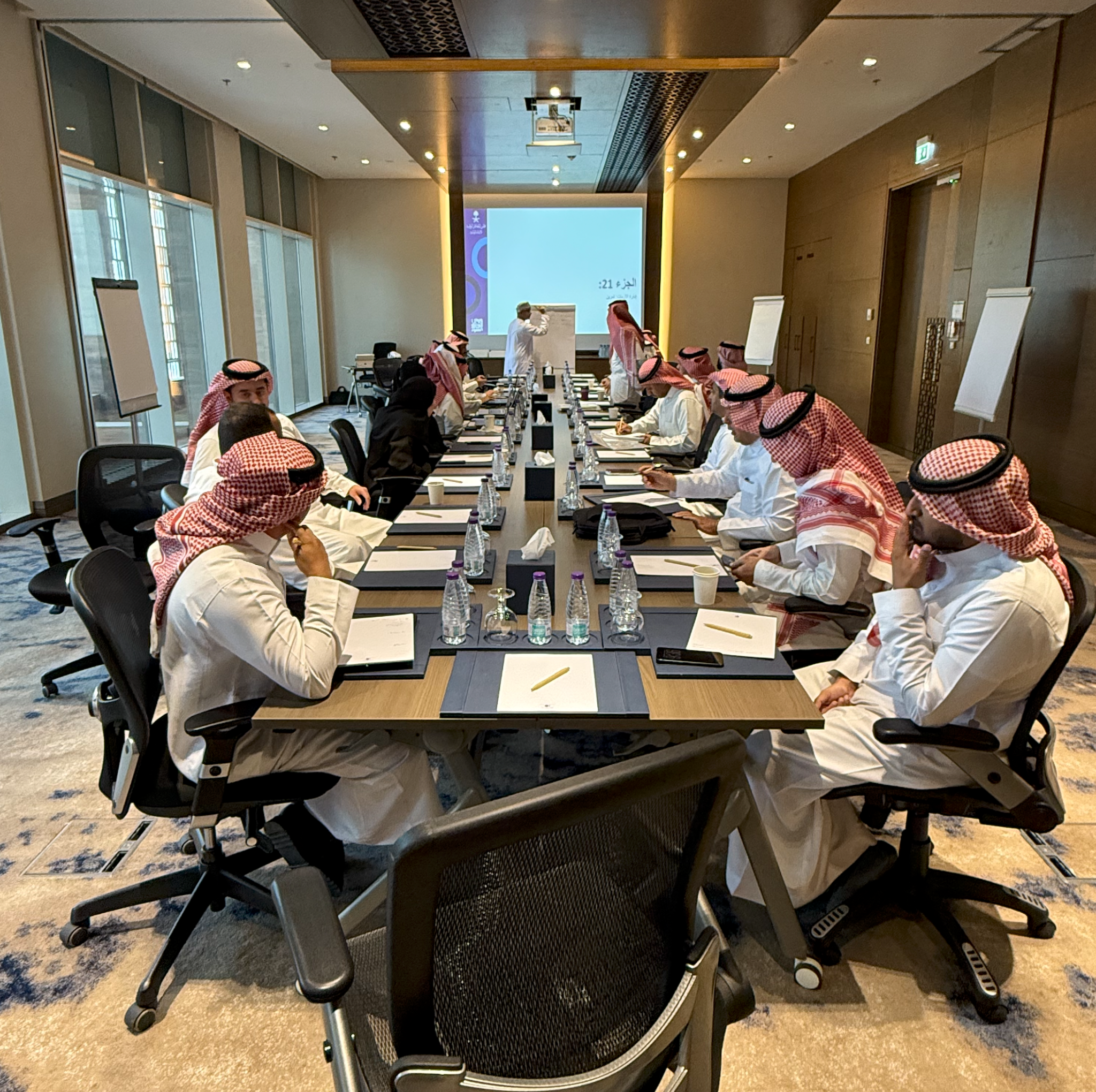
Ways we can test capability
Incident & Crisis Management
Develop leadership, escalation, coordination, situational awareness and decision-making at operational, tactical and strategic levels.
Business Continuity
Test continuity strategies, team actions, workarounds, dependencies and the recovery of priority activities through focused tabletop sessions or wider simulations.
Integrated BCM + Crisis
Connect strategic crisis leadership with operational continuity activity, testing how information, priorities, decisions and resources move between teams.
Crisis Communications
Run as a stand-alone communications exercise or embedded within a wider scenario, testing stakeholder engagement, internal communication, media handling, approval and trust under pressure.
From focused discussion to complex simulation
Testing does not need to be complex to be valuable. We can facilitate a focused executive tabletop, a role-specific team exercise, a multi-team simulation or an integrated programme involving operational, tactical and strategic participants.
Realism with a purpose
A scenario is not theatre. Its purpose is to create the decisions, uncertainty, coordination challenges and stakeholder pressures needed for useful learning — without unnecessary drama.
From objective to improvement
- Objectives: define what the organisation needs to learn.
- Scenario design: create credible events, injects and decision points.
- Facilitation: maintain pace, challenge and psychological safety.
- Observation: capture evidence against agreed criteria.
- Debrief: turn experience into shared insight.
- Improvement: prioritise actions that strengthen capability.
What do you need to learn?
Start with the capability, decision or arrangement you want to test. We will design the exercise around it.